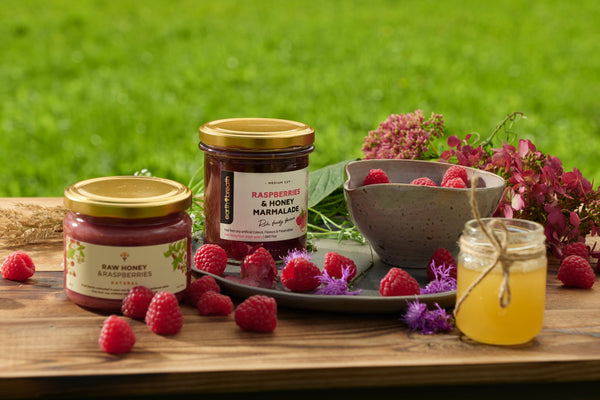

Pure, Raw, Unpasteurized
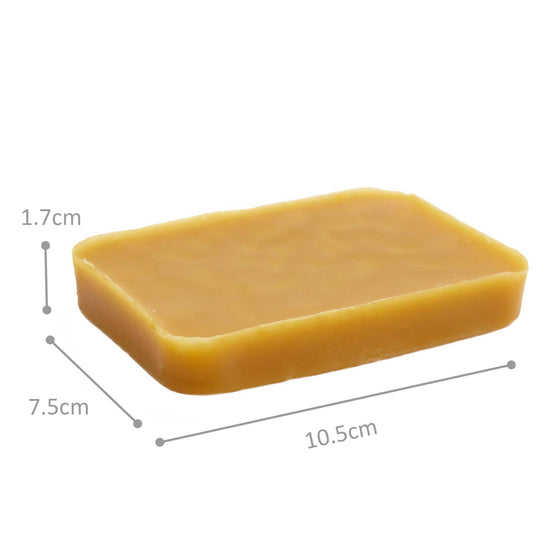
Organic Beeswax Blocks 200g - 900g
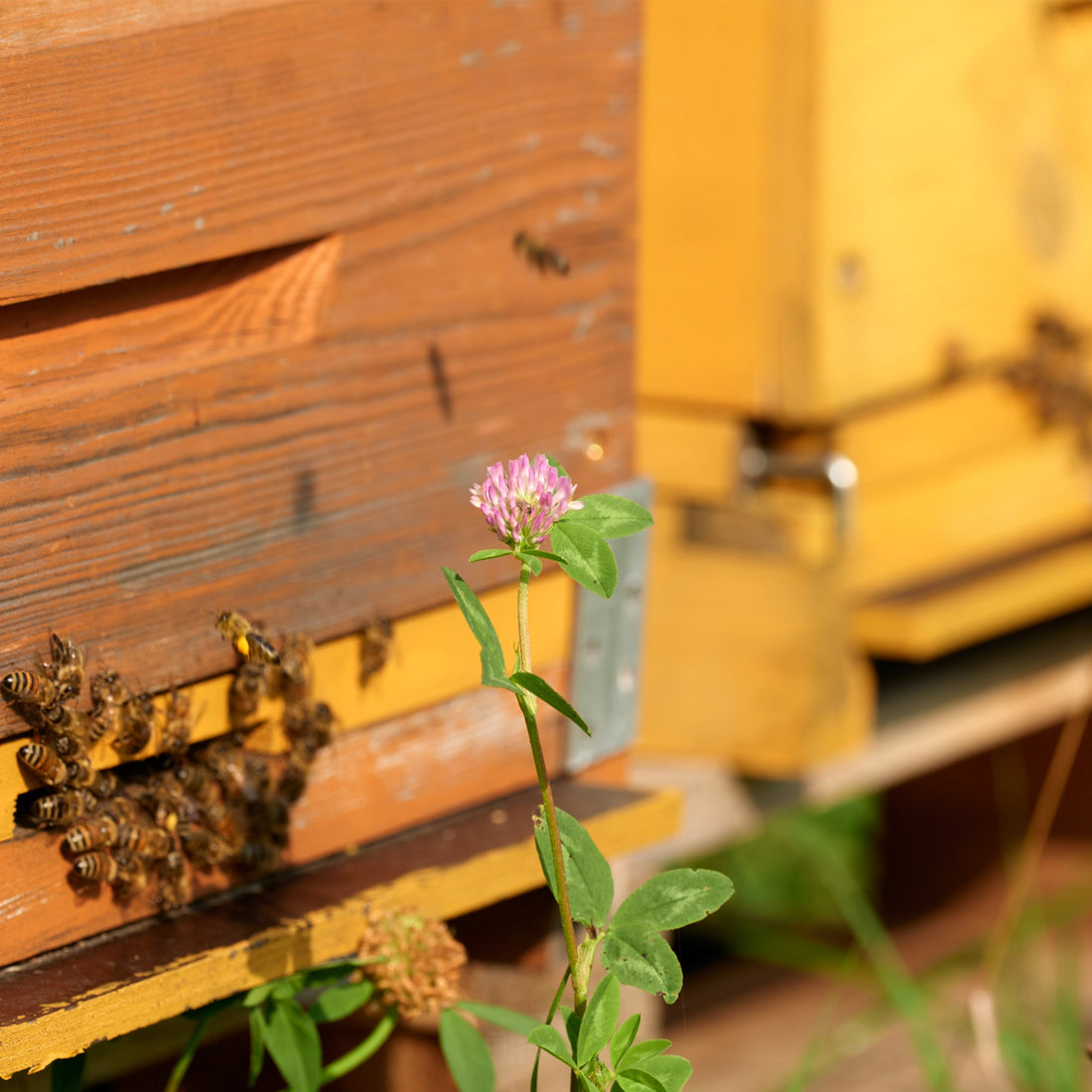
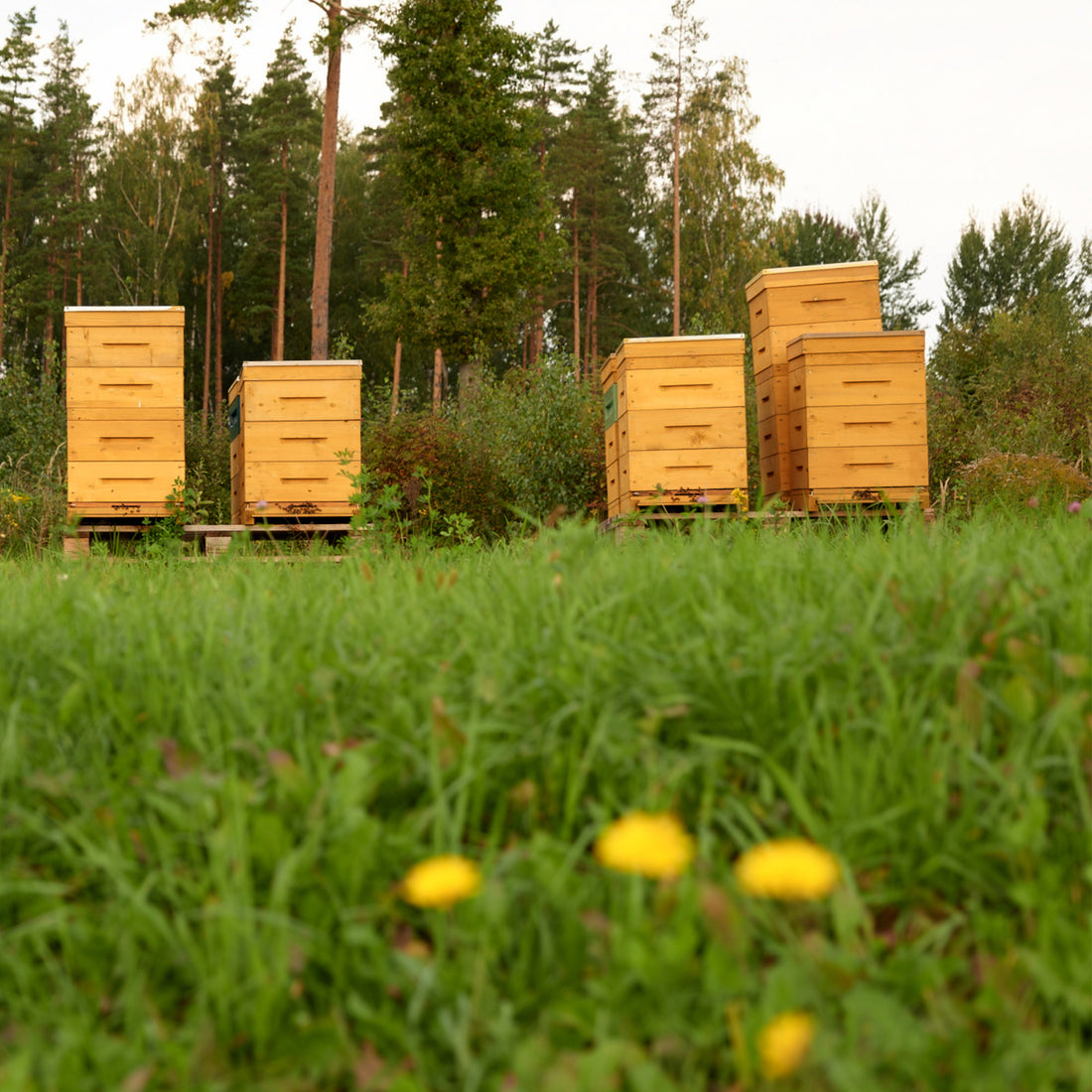
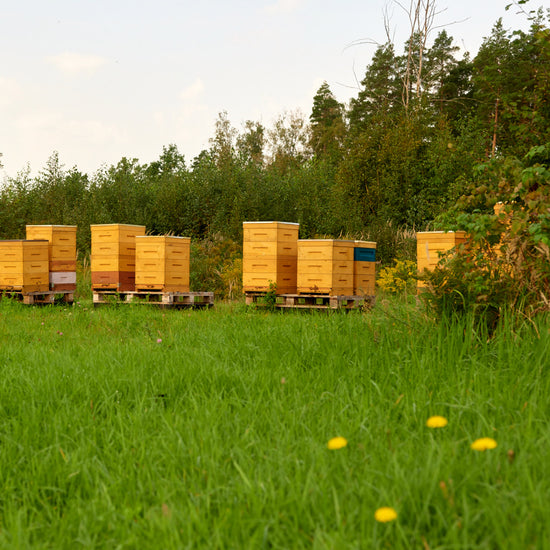
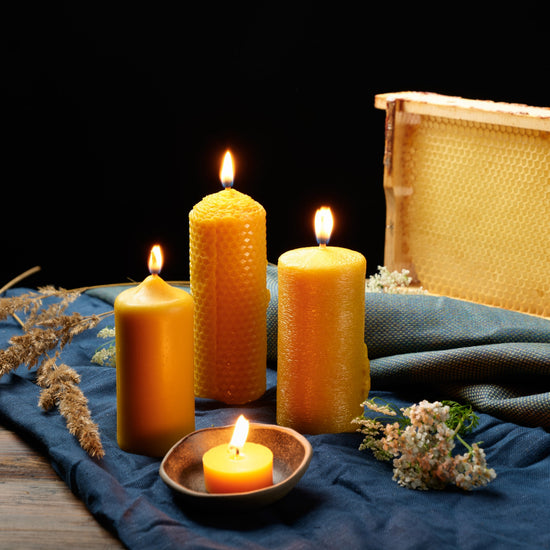
100% pure, organic beeswax blocks without any additives, made by Latvian bees in pristine meadows and forests. A unique natural product, which you can use in many ways in your home, or garden, for maintenance of musical instruments, and for a variety of hobbies, crafts, and art activities.
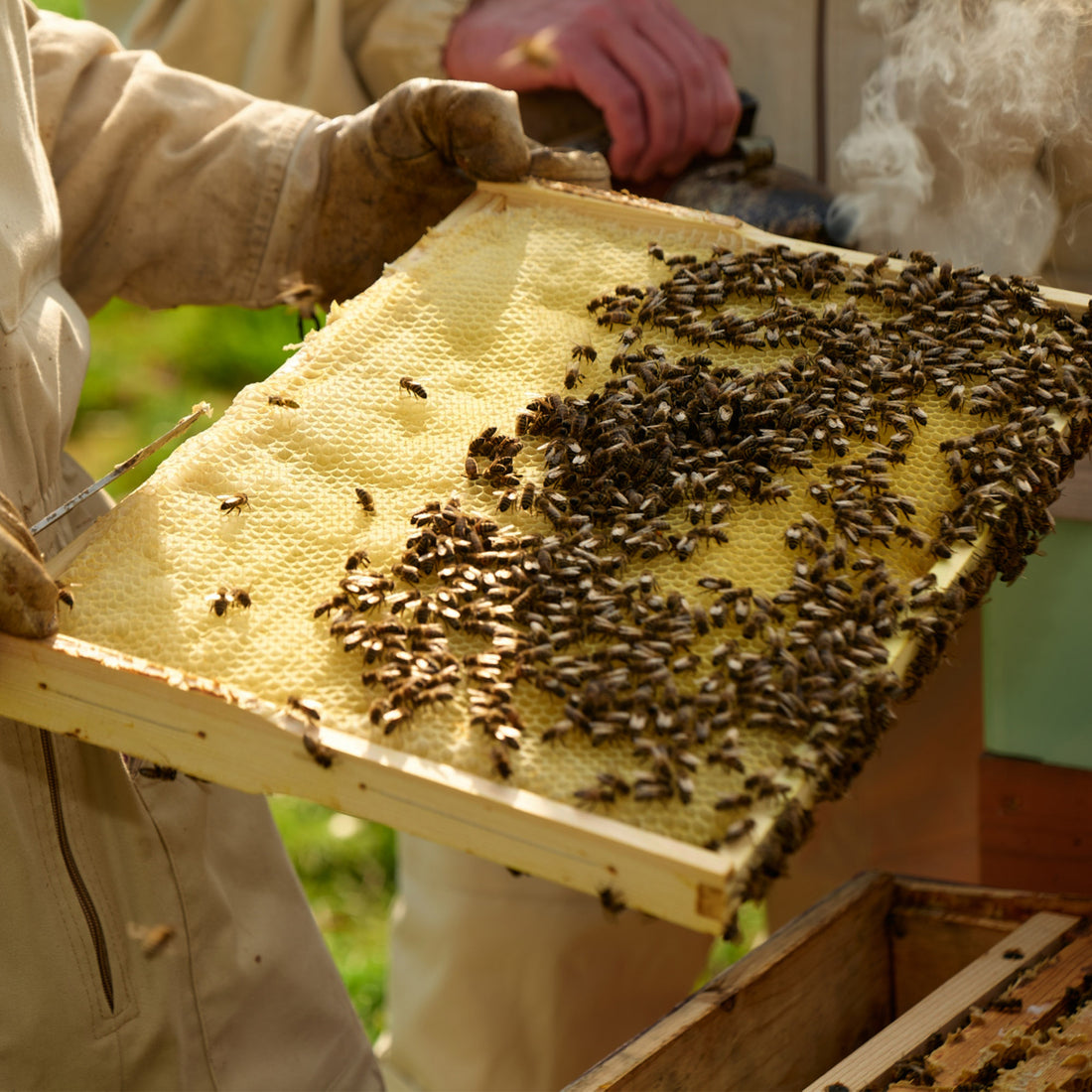
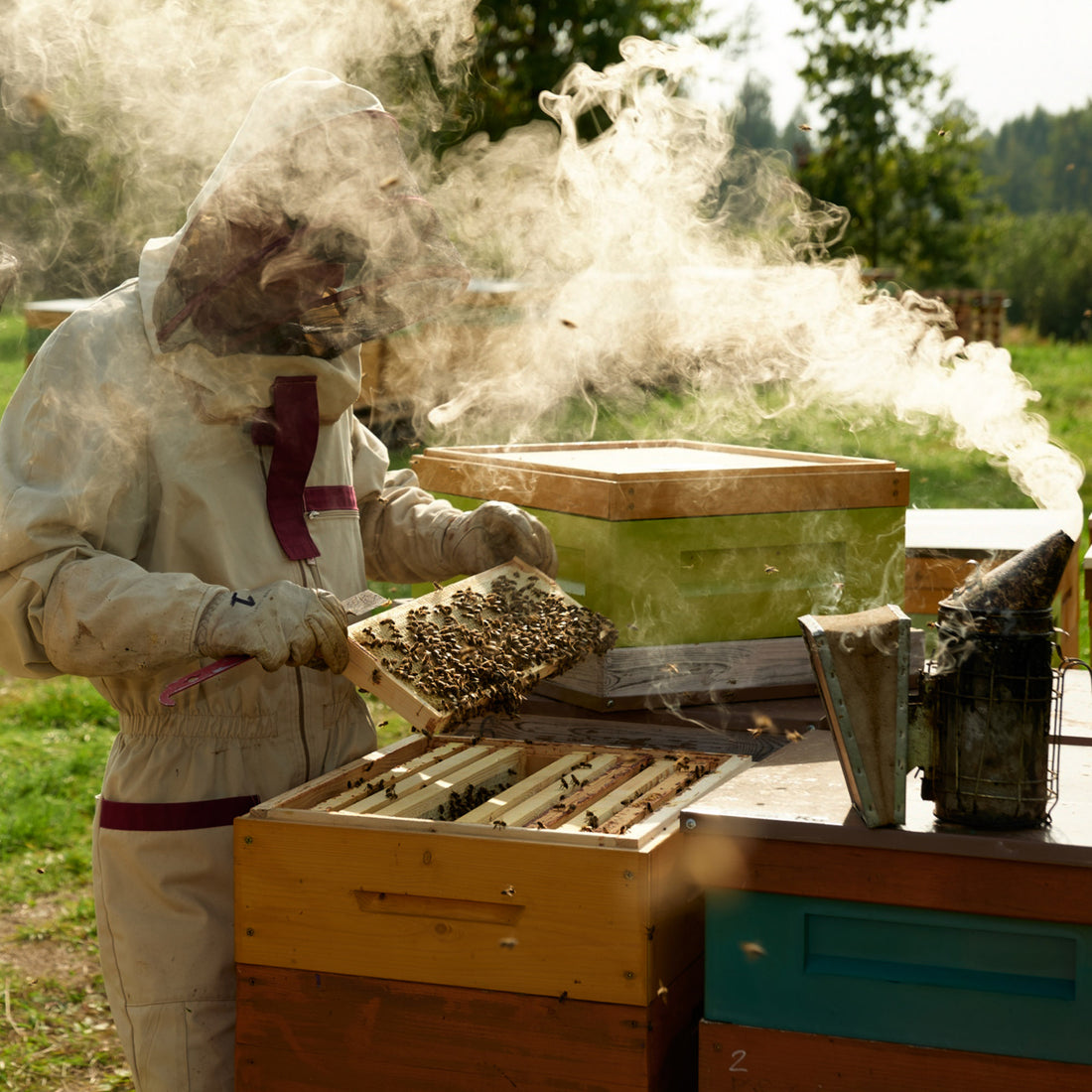
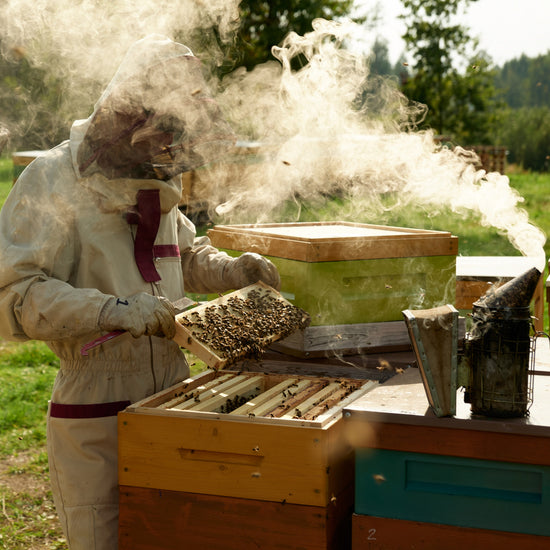
Premium Quality: twice filtered grade beeswax, cosmetic grade. Our beeswax is sustainably sourced and we have a small-scale team of local artisan beekeepers who deeply care for the bees and follow sustainable and ethical beekeeping practices.
How to Store?
How to Store?
Delivery
Delivery
Delivery Before











1 1


Product photos and videos are representative. Honey colour and texture may vary depending on the season and level of crystallisation.
faq
What is Honey crystallisation?
A key indicator of raw honey is its tendency to crystallise over time, resulting in a firmer texture made up of fine crystals. How quickly or slowly honey crystallizes depends on the composition of the honey. Classically, honey is composed of the sugars: glucose and fructose in approximately similar amounts (these proportions may vary depending on the source of the nectar). But there are honeys that contain less glucose than fructose, and crystallize more slowly or over a very long period of time (it can take several years), such as Honeydew honey (Fir, Oak, Pine), as well as Acacia Honey. Whereas honeys that contain more glucose, such as Spring honey, crystallise very quickly within a few weeks of collection.
Additionally raw honey contains pollen and other tiny solids that are natural in the production of honey. These particles act as “starter crystals,” providing something for the sugars to start crystallising around. Crystallisation is a natural process and does not compromise the taste or quality of the honey. In fact, it signifies that the honey is raw, free from added sugars, syrups, and heat treatments.
How to make crystallised honey softer again?
To soften crystallized honey, we recommend warming it in a warm water bath, keeping the water temperature below 125°F (50°C) to preserve its valuable properties. Avoid exposing honey to temperatures over 45°C, because higher temperatures may destroy part of the natural nutrients. You can transfer a small amount of honey to a separate container and place it in warm water, stirring continuously. After a while, it should return to a more liquid consistency. Please make sure the jar is closed correctly to ensure no water contaminates the honey.
What causes white crystals to form on honey or on the sides of the jar?
Another sign of raw and unprocessed honey is frosting. It usually looks like a small white streak or crescent that gradually spreads on the shoulder or in the narrow upper part of the jar. These white areas are tiny air bubbles that get trapped between honey and the side or shoulder of the jar. Frosting is a natural feature of honey, and it doesn't impact the taste or the quality of honey.
What are the differences between raw unfiltered honey and processed honey?
Raw honey is unpasteurized, unheated, and unfiltered, and it is placed into jars immediately after being centrifuged from the combs. This process preserves its natural qualities, making raw honey a treasure of nutrition that provides a variety of vitamins, enzymes, and antioxidants. As a result, raw honey offers superior taste and nutritional value compared to regular processed honey.
Processed honey undergoes heating and pasteurization to 160°F which kills all the wild yeasts and change completely the amino acids and enzymes. Then, it’s off to a filtering process to remove all the pollen. This filter is so fine that it requires pressure to force the honey through it. The result is a honey product whose health benefits have been reduced or removed, and the taste profile altered. Manufacturers often mix it with other sweeteners such as sugar or high fructose corn syrup to cut costs. The honey is now a product that can sit on a store shelf with no risk of crystallization or fermentation.
How should Raw Honey be stored?
When stored properly, Raw honey is one of the only foods that never expires.
Honey’s long shelf-life is thanks to its unique features: it has a low water content and a high sugar concentration, creating an environment where harmful bacteria cannot thrive. Additionally, honey contains hydrogen peroxide, which helps inhibit the growth of microbes.
To maintain its quality, always store honey in an airtight container, away from direct sunlight in a dry place at room temperature or below. This prevents the hygroscopic (water-attracting) sugars in the honey from absorbing moisture from the air. Excess moisture can lead to the growth of undesirable yeasts and honey can start the fermentation process.
You can keep your honey in its original container as long as it is sealed tightly.
Storing honey at room temperature can slow down crystallization; however, it's important to note that this process cannot be controlled.
Why does the same honey change colour in different jars?
Please note that Raw Honey can vary in colour and taste from batch to batch - honey varies with the season and climate, depending on what the bees feed on and the flowers they visit. Different flowers bloom at different times of the year. This variation in floral sources creates distinct differences in honey, each possessing a unique flavour and colour.
What creates the taste, smell, and sweetness of honey?
The taste, aroma, and sweetness of honey are determined by the flowers from which the nectar is collected, rather than by what the bees are fed. No additional ingredients are added to honey; its sweetness comes from natural sugars: glucose and fructose. These sugars not only give honey its distinctive flavour but also contribute to its nutritional profile. The ratio of glucose to fructose varies among different types of honey, which influences their flavour and texture.
Each variety of honey has a unique flavor profile, shaped by the types of flowers that are blooming at the different time of year when the bees gather nectar. Bees gather nectar from many kinds of flowers that grow in places where hives are located. Plants change every year and composition of honey differs accordingly, even if it the same type of honey.
It's important to note that the smell of honey isn't always pleasant and doesn't indicate its quality.
What is Runny Honey, and why is it different from thick or crystallised honey?
Our Runny Honey is produced by processing honey at a temperature not exceeding 48ºC / 118ºF, which preserves its runny consistency while maintaining its valuable properties. This temperature ensures that the valuable properties of honey are preserved and not lost due to heat, maintaining its status as raw honey
While there isn’t an official temperature limit universally agreed upon, most experts consider food to be raw if it hasn’t been heated above this temperature. This temperature is seen as the threshold where enzymes and nutrients in the food start to degrade
While this honey retains its beneficial attributes, it is still considered processed, so we do not label it as Raw Honey, but Pure Honey, even it actually qualifies as raw.
Runny Honey stays liquid for a longer time, but after a time, it can also start to crystallise.
Raw honey is unprocessed and unfiltered, allowing it to crystallise naturally and preserve all its nutrients. It is honey that comes straight from the extraction of the combs. This is the type of honey we sell, and mostly it is in a crystallised state.
Is Raw Honey safe for everyone to use?
Raw honey is generally safe for individuals who are not allergic to bee pollen. However, it is important to note that honey is not suitable for children under the age of one. This is because raw honey may contain Clostridium botulinum spores. While these spores are typically harmless to older children and adults, they can pose a significant risk to infants. Babies under one year old have immature digestive systems that lack the necessary defences to handle these spores. If ingested, Clostridium botulinum spores can colonize in an infant's intestines and produce harmful toxins.
As children grow older, they can safely consume honey because their more developed digestive systems can move the Clostridium spores through their bodies before any harm occurs.

